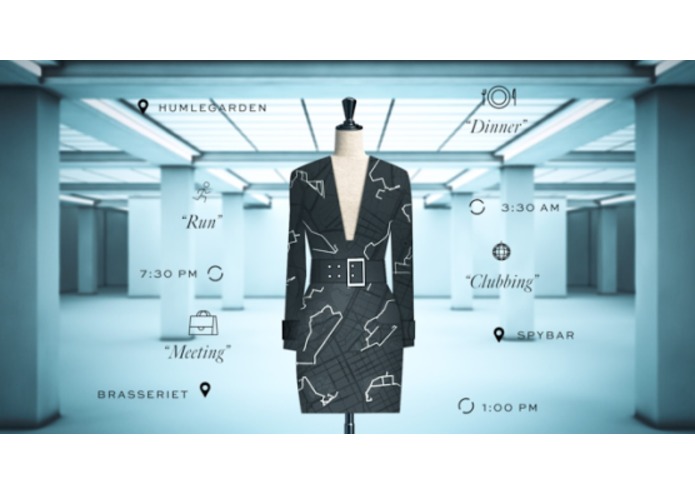
Artificial intelligence is reshaping fashion by introducing AI stylists that analyze personal preferences, browsing behavior, and purchase history. These systems create highly personalized outfit recommendations for every individual shopper online.
AI stylists use advanced machine learning models to understand color combinations, seasonal trends, and body types. This enables brands to deliver curated fashion experiences that feel similar to working with human stylists.
Consumers increasingly rely on AI-powered fashion tools because they simplify decision making. Instead of scrolling endlessly, shoppers receive targeted suggestions that align with their taste, budget, and lifestyle needs.
Retailers benefit significantly as AI stylists increase engagement and conversion rates. Personalized experiences encourage customers to spend more time on platforms, ultimately boosting sales and improving customer satisfaction across digital storefronts.
How Virtual Try-Ons Are Transforming Shopping
Virtual try-on technology allows users to visualize clothing, accessories, and even makeup on themselves without physically wearing them. This innovation bridges the gap between online and in-store shopping experiences effectively.
Using augmented reality and computer vision, virtual try-ons map products onto a user’s body or face in real time. This creates a realistic preview that helps customers make confident purchasing decisions instantly.
One of the biggest challenges in online fashion has been sizing uncertainty. Virtual try-ons solve this problem by showing accurate fits, reducing the chances of ordering incorrect sizes and minimizing returns significantly.
Brands adopting virtual try-on technology are gaining a competitive advantage. Customers are more likely to trust platforms that offer interactive and immersive experiences, leading to increased loyalty and repeat purchases.
Personalization Through Data and AI Insights
AI stylists rely heavily on data to deliver precise recommendations. They collect information such as past purchases, style preferences, and browsing patterns to create a detailed fashion profile for each user.
This data-driven approach enables hyper-personalization, where every product suggestion feels uniquely tailored. Customers receive outfits that match their personality, cultural preferences, and even upcoming events or seasonal changes.
AI systems continuously learn and improve from user interactions. Each click, like, or purchase refines the algorithm, making future recommendations even more accurate and aligned with evolving fashion tastes.
For businesses, this level of personalization enhances customer retention. When shoppers feel understood and valued, they are more likely to return, building long-term relationships with fashion brands and platforms.
The Role of Augmented Reality and 3D Modeling
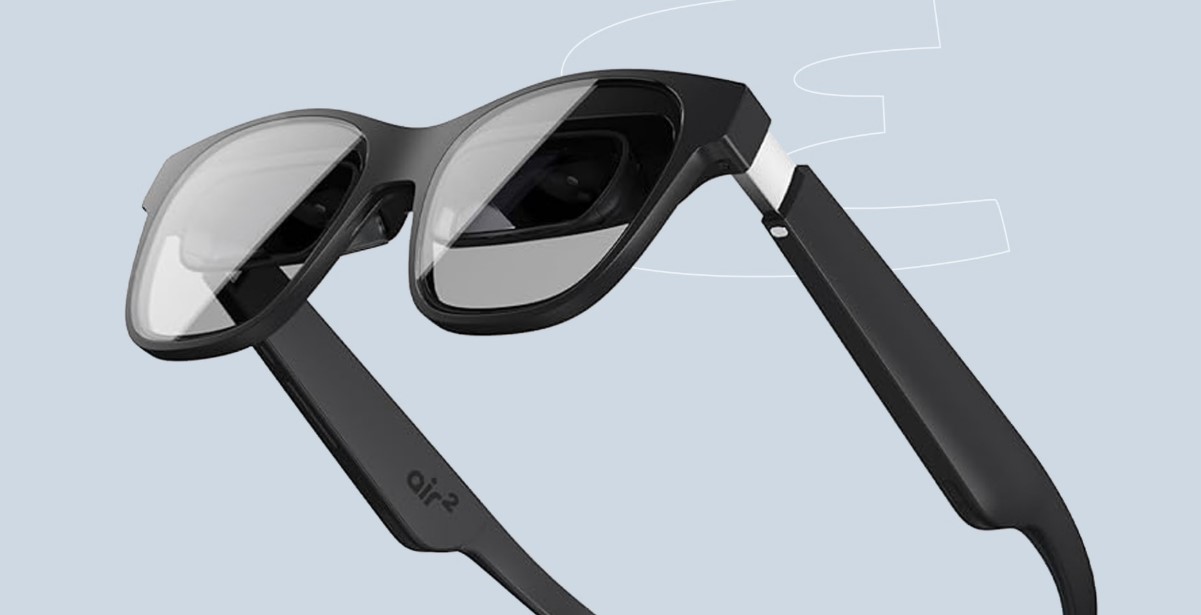
Augmented reality plays a crucial role in enabling virtual try-ons. It overlays digital clothing onto real-world images, allowing users to see how garments would look on their own bodies instantly.
3D modeling enhances this experience by creating detailed digital replicas of clothing items. These models simulate fabric movement, texture, and lighting, providing a realistic representation of how garments behave in real life.
Together, AR and 3D technologies create immersive shopping environments. Customers can rotate, zoom, and interact with products, making online shopping more engaging and informative than traditional browsing methods.
As technology advances, these tools will become even more accurate and accessible. This will further blur the line between physical and digital shopping, transforming how consumers interact with fashion globally.
Benefits for Consumers and Fashion Brands
AI stylists and virtual try-ons offer significant advantages for consumers. They save time, reduce decision fatigue, and provide confidence in purchasing choices by delivering personalized and visually accurate fashion recommendations.
Shoppers no longer need to visit multiple stores or try on numerous outfits. Digital solutions allow them to experiment with styles from the comfort of their homes, enhancing convenience and overall shopping satisfaction.
For brands, these technologies reduce return rates and operational costs. Accurate sizing and visualization mean fewer incorrect purchases, which improves efficiency and profitability in the highly competitive fashion industry.
Additionally, businesses gain valuable insights into customer behavior. This data helps brands refine their offerings, predict trends, and create targeted marketing strategies that resonate with their audience effectively.
Challenges and Limitations of AI Fashion Technology
Despite its advantages, AI fashion technology faces several challenges. One major issue is data privacy, as users may feel concerned about how their personal information and preferences are collected and used.
Accuracy is another limitation, especially when it comes to body measurements and fit prediction. While technology is improving, it may not always perfectly replicate how a garment feels or fits in real life.
Technical barriers also exist, including the need for high-quality devices and internet connectivity. Not all users have access to advanced smartphones or systems required for seamless virtual try-on experiences.
Moreover, some shoppers still prefer traditional shopping methods. The tactile experience of feeling fabrics and trying clothes physically remains important, meaning digital solutions must complement rather than fully replace in-store shopping.
The Future of Personalized Fashion Shopping
The future of fashion shopping lies in deeper integration of AI and immersive technologies. AI stylists will become more intuitive, offering real-time advice and adapting instantly to changing trends and user preferences.
Virtual try-ons will evolve with more precise body scanning and realistic simulations. Customers may soon create digital avatars that mirror their exact measurements, enabling highly accurate and personalized shopping experiences.
Integration with social media and virtual environments will further enhance engagement. Users could share outfits, receive feedback, and shop collaboratively, making fashion a more interactive and community-driven experience.
Ultimately, AI stylists and virtual try-ons will redefine the fashion industry. By combining personalization, convenience, and innovation, these technologies will create a smarter, more efficient, and highly engaging shopping journey for everyone.