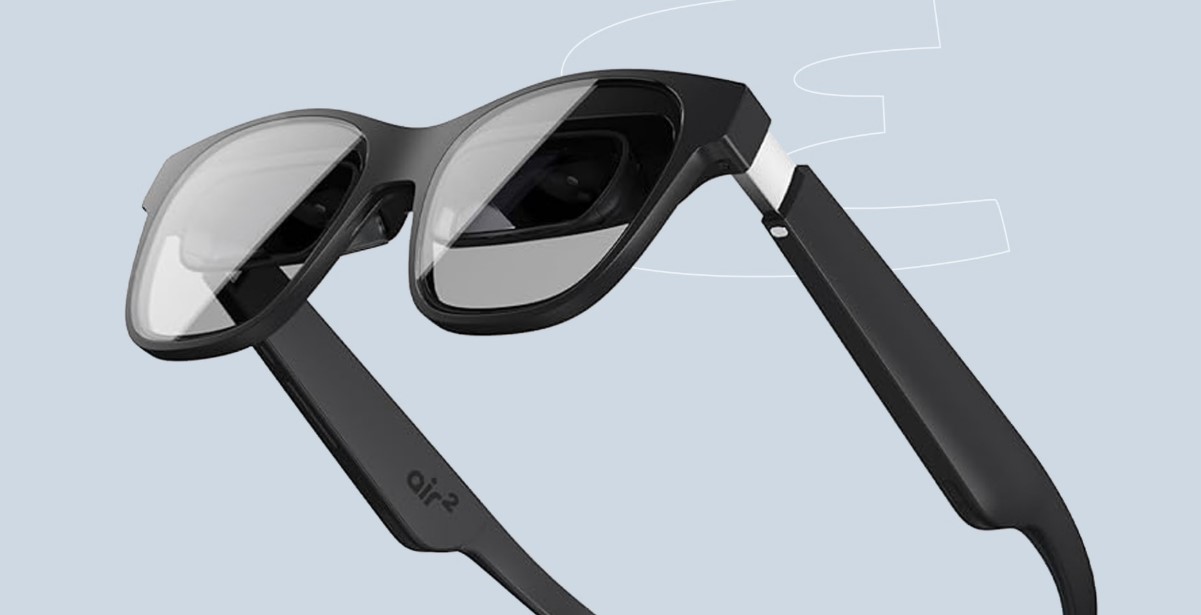
Smart glasses are emerging as a revolutionary consumer tech product, blending digital information seamlessly into the real world. These devices offer augmented reality overlays and instant notifications. Users can access real-time navigation, messages, and alerts without checking a smartphone, making multitasking smoother. Fashion and functionality now merge, as manufacturers design lightweight and stylish smart glasses for everyday use. With advancements in AI, these devices can recognize objects, provide translations, and even suggest contextual information for smarter decision-making.
As smart glasses continue to evolve, industries like healthcare and education benefit significantly. Doctors can access patient records hands-free during surgeries, while students experience immersive learning environments. Real-time collaboration and remote guidance also become more interactive. Companies are investing in AR-enabled retail experiences, letting customers virtually try on products before purchase. This hands-free interaction fosters convenience, accessibility, and productivity across diverse sectors, highlighting the growing relevance of smart glasses. Consumer adoption increases as prices decrease and software ecosystems expand, making smart glasses a realistic mainstream gadget in the near future.
Privacy and security remain key considerations as these devices collect sensitive visual and audio data. Manufacturers implement encryption, anonymization, and user control features to safeguard personal information. Regulatory frameworks and ethical guidelines are developing to address concerns about public recording and data sharing. Despite these challenges, the potential for lifestyle enhancement and productivity is immense. Smart glasses are no longer niche gadgets but emerging tools shaping how people interact, communicate, and work in the digital age.
Wearable AI Devices: Personalized Intelligence on Your Wrist
Wearable AI devices, including smartwatches and fitness trackers, are transforming how users monitor health and productivity. Advanced sensors track heart rate, sleep patterns, and physical activity while AI algorithms provide actionable insights. These devices help users optimize workouts, improve sleep quality, and detect early signs of illness. Integration with smartphones and smart home systems enhances convenience, allowing voice commands and notifications to be received instantly. AI-powered wearables can even adapt their suggestions based on user habits and preferences, offering highly personalized guidance.
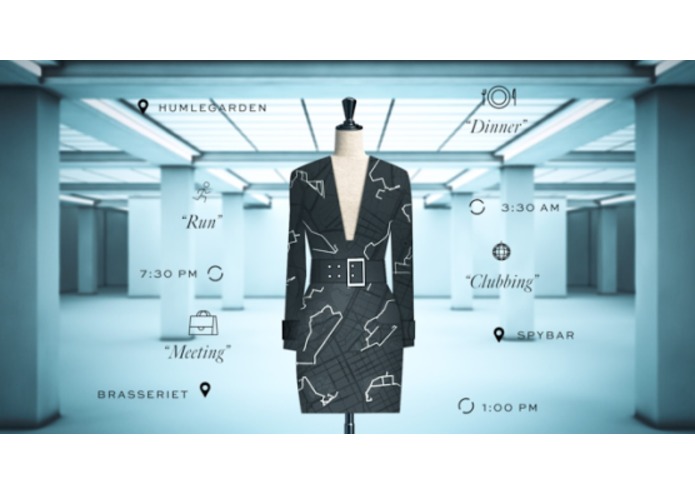
Beyond health, wearable AI devices are extending into lifestyle and entertainment domains. Users can receive personalized music, reminders, and real-time travel updates directly on their wrists. Some wearables feature gesture control or augmented reality interfaces, making interactions more intuitive. Professionals benefit from productivity tools like calendar reminders, email alerts, and instant access to business analytics. The combination of portability, AI intelligence, and interconnectivity positions wearable devices as indispensable tools for managing both personal and professional life efficiently.
AI wearables also enhance safety and accessibility. Emergency alerts, fall detection, and GPS tracking provide peace of mind for the elderly and vulnerable populations. Adaptive interfaces can assist visually impaired or differently-abled individuals by providing audio cues and haptic feedback. Companies continue to explore innovative form factors, such as rings, smart clothing, and AR-enabled headsets. As battery technology improves and AI algorithms become more sophisticated, wearable AI devices are expected to become even more capable, blending seamlessly into daily routines.
The Future of Consumer Tech: Convergence of Smart Devices
The convergence of smart glasses and wearable AI devices represents a significant shift in consumer technology. These products are increasingly interconnected, creating ecosystems that provide a continuous flow of information and assistance. Smart glasses may communicate with AI-powered wearables, syncing health data, notifications, and contextual insights to enhance user experiences. This integration paves the way for fully immersive augmented reality experiences, voice-activated assistants, and predictive personal services. Developers are exploring AI-driven content generation for augmented reality, creating entirely new modes of digital interaction.
Consumer expectations are also evolving as people seek devices that are intuitive, adaptive, and multifunctional. Brands are focusing on seamless design, AI personalization, and long-term software support to attract users. Businesses are leveraging this trend to create more engaging experiences, from virtual shopping to interactive learning environments. Early adopters are already enjoying the benefits of these converged technologies, experiencing enhanced productivity, connectivity, and lifestyle management. As adoption grows, the next generation of consumer devices will prioritize adaptability, intelligence, and real-world integration.
Challenges remain in battery life, data security, and societal acceptance. Smart glasses must balance discreet design with computing power, while wearables require energy-efficient processors and sensors. Regulatory oversight and industry standards will influence development and adoption. Ethical considerations around AI personalization and privacy will continue shaping user trust. Despite these hurdles, the potential for smart glasses and wearable AI devices to transform daily life, healthcare, entertainment, and work is immense. The consumer tech landscape is entering a new era of intelligent, connected devices that redefine human interaction with technology.