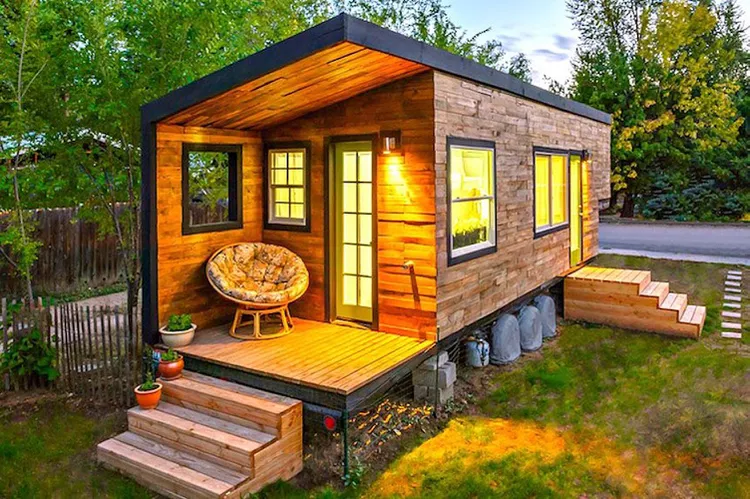
Tiny homes have become increasingly popular as people seek affordable housing solutions. These compact spaces offer efficiency, reduced costs, and a simplified lifestyle that appeals to modern homeowners globally today.
Many individuals are choosing tiny homes to escape rising real estate prices. Smaller living spaces mean lower mortgages, reduced maintenance costs, and greater financial freedom, especially for young professionals and minimalists.
Additionally, tiny homes promote intentional living by encouraging residents to prioritize essentials. This shift in mindset helps reduce clutter, improve mental well being, and foster a more meaningful connection with personal belongings.
The rise of social media and digital platforms has also contributed to the trend. People now share innovative designs and ideas, inspiring others to embrace compact, efficient, and creative living environments.
Understanding Modular Living Concepts
Modular living involves constructing homes using pre built sections or modules. These modules are manufactured in controlled environments and assembled on site, offering efficiency, precision, and faster construction timelines compared to traditional methods.
This construction method reduces waste and improves quality control. Since modules are built in factories, they are less affected by weather delays, resulting in consistent standards and faster project completion overall.
Modular homes are also highly customizable. Buyers can choose layouts, materials, and finishes according to their preferences, allowing flexibility without significantly increasing costs or construction timelines.
Another advantage is scalability. Modular structures can be expanded or modified easily, making them suitable for growing families or changing needs without requiring complete reconstruction or major structural changes.
Affordability and Cost Efficiency Benefits
One of the main reasons for the popularity of tiny homes and modular living is affordability. Lower construction costs and reduced land requirements make these housing options accessible to a wider audience.
Tiny homes require fewer materials and less labor, significantly lowering overall expenses. This allows homeowners to invest in quality finishes or sustainable technologies without exceeding their budgets.
Modular homes also save money through efficient production processes. Bulk purchasing of materials and streamlined manufacturing reduce costs, making these homes more economical compared to traditional construction methods.
Furthermore, reduced utility costs contribute to long term savings. Smaller spaces require less energy for heating, cooling, and lighting, helping homeowners manage expenses more effectively over time.
Sustainability and Environmental Impact
Tiny homes and modular living are closely linked to sustainability. These housing solutions minimize environmental impact by reducing resource consumption, energy use, and construction waste significantly.
Smaller living spaces naturally require fewer materials during construction. This reduces deforestation, energy usage, and carbon emissions, making tiny homes a more eco friendly alternative to conventional housing options.
Modular construction further enhances sustainability by optimizing resource usage. Factory controlled production minimizes waste, while precise measurements ensure efficient material utilization and reduced environmental impact overall.
Additionally, many homeowners integrate renewable energy systems such as solar panels. Combined with efficient insulation and smart technologies, these homes support greener living and reduce dependence on traditional energy sources.
Design Innovation in Compact Spaces
Design plays a crucial role in maximizing the functionality of tiny homes. Creative layouts, multifunctional furniture, and smart storage solutions ensure that every inch of space is utilized effectively.
Architects and designers focus on vertical space optimization. Lofted beds, wall mounted storage, and foldable furniture help create a sense of openness while maintaining practicality in compact living environments.
Natural light is another key design element. Large windows and open layouts make small spaces feel larger and more inviting, improving both aesthetics and overall comfort for residents.
Innovative technology also enhances design efficiency. Smart home systems allow better control of lighting, temperature, and appliances, making compact living spaces more convenient and comfortable for modern lifestyles.
Flexibility and Mobility Advantages
Tiny homes offer unmatched flexibility and mobility. Many are built on wheels, allowing homeowners to relocate easily and explore different locations without the constraints of traditional property ownership.
This mobility is especially appealing to remote workers and digital nomads. They can maintain a comfortable living space while traveling, combining work and lifestyle freedom seamlessly in one compact solution.
Modular homes also provide flexibility through adaptability. Homeowners can add or remove modules based on their needs, making it easier to adjust living spaces as circumstances change over time.
Such flexibility supports evolving lifestyles. Whether downsizing, expanding, or relocating, these housing options provide solutions that align with personal and professional changes without significant disruptions or costs.
Challenges and Considerations
Despite their benefits, tiny homes and modular living come with challenges. Limited space can be restrictive, especially for families or individuals accustomed to larger living environments and traditional housing comforts.
Zoning laws and regulations can also pose difficulties. In some regions, legal restrictions limit where tiny homes can be placed, making it important to research local regulations before investing in such properties.
Storage limitations require careful planning. Residents must adopt minimalist habits and efficient organization strategies to maintain comfort and avoid clutter in smaller living spaces over time.
Financing options may also be limited compared to traditional homes. Some lenders hesitate to provide loans for unconventional housing, requiring buyers to explore alternative financing solutions or savings strategies.
The Future of Smart and Affordable Housing
The future of housing is increasingly leaning toward smart, efficient, and sustainable solutions. Tiny homes and modular living are expected to play a significant role in addressing global housing shortages and affordability issues.
Urban areas are exploring modular construction to meet growing demand. Faster building times and reduced costs make modular homes a practical solution for expanding cities and accommodating increasing populations.
Technological advancements will further enhance these housing options. Integration of smart systems, energy efficient designs, and innovative materials will continue to improve functionality and comfort in compact spaces.
As lifestyles evolve, more people will prioritize flexibility, sustainability, and affordability. Tiny homes and modular living represent a shift toward smarter housing solutions that align with modern needs and future challenges.