Augmented reality and virtual reality are reshaping the digital shopping landscape. Brands now offer immersive experiences that allow customers to interact with products before buying. Consumers are increasingly seeking engaging, interactive, and visually rich online experiences. These technologies bridge the gap between online convenience and in-store tangibility. Retailers implementing AR and VR often see increased customer satisfaction and longer website engagement.
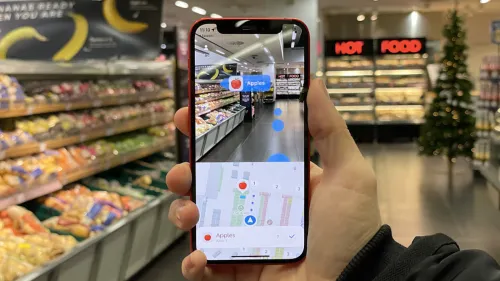
With AR, users can overlay digital products into real-world environments. This allows shoppers to visualize furniture, clothing, or accessories in their own space. VR provides fully simulated environments for a complete shopping journey. The combination of these technologies is creating more memorable and personalized experiences. Brands adopting these solutions are positioning themselves as innovative leaders in the competitive e-commerce market.
The impact of immersive technologies extends beyond visualization. They help reduce returns by providing accurate product representation. Shoppers gain confidence in their purchasing decisions, which strengthens brand loyalty. Businesses are also collecting valuable data on customer preferences and behaviors. These insights enable brands to further refine marketing strategies and product offerings.
E-commerce platforms integrating AR and VR are also experimenting with gamified experiences. Interactive features encourage engagement and social sharing, boosting brand awareness. Users enjoy browsing in 3D environments, enhancing entertainment while shopping. This experiential approach is transforming online retail into a more immersive, enjoyable journey.
How Brands Are Implementing AR and VR Shopping
Many global brands are now leveraging AR and VR to improve customer experiences. Retailers like furniture, fashion, and beauty companies are pioneering these immersive solutions. They integrate technology directly into mobile apps and websites for seamless user interaction. This allows customers to test products virtually without leaving home. AR features often include try-on tools, room planners, and virtual mirrors.
VR is being used for fully interactive stores and showrooms. Customers can explore product layouts, attend virtual events, and interact with digital assistants. Some brands even host immersive fashion shows or product launches entirely in VR. These experiences replicate physical stores, encouraging browsing and discovery. Customers feel more connected to the brand while exploring virtual environments.
The technology also supports personalized marketing and targeted recommendations. AR and VR systems can suggest products based on user preferences and interactions. Shoppers can visualize complementary items or view collections curated for them. This boosts cross-selling and enhances the overall shopping experience. Brands benefit from higher conversion rates and increased customer loyalty.
Retailers are combining AR, VR, and AI for smarter interactions. Virtual assistants guide users through product features and answer questions in real-time. AR markers trigger interactive content, providing dynamic storytelling for each item. These integrations create an innovative ecosystem where shopping is both efficient and entertaining. Early adopters are gaining a competitive advantage in the evolving e-commerce landscape.
Benefits of Immersive Shopping for Consumers
AR and VR shopping enhances convenience by bringing real-world experiences to the digital space. Customers can try products without visiting physical stores. This saves time and reduces decision-making stress. Immersive tools also increase confidence, helping buyers understand how items fit into their lives. Visualizing products realistically ensures more informed purchases and fewer returns.
Shoppers enjoy interactive experiences that are fun and engaging. Virtual try-ons, 3D modeling, and gamified features make browsing enjoyable. Brands that provide these experiences are more likely to capture attention and build lasting relationships. Engagement extends beyond transactions, creating memorable interactions that encourage repeat visits. Personalization further strengthens the consumer connection.
Immersive shopping also fosters social sharing and recommendations. Customers can show virtual setups or try-ons on social media platforms. This generates organic promotion and enhances community interaction. Peer feedback influences buying decisions, which can drive additional sales. Brands benefit from both engagement and word-of-mouth marketing through these immersive experiences.
AR and VR also make accessibility easier for all customers. Remote shopping becomes interactive and inclusive for people with mobility or location constraints. Brands can reach wider audiences while improving overall satisfaction. Technology bridges gaps between physical and digital retail, redefining convenience in e-commerce. These solutions cater to modern consumer expectations effectively.
Challenges and Considerations for Brands
Implementing AR and VR comes with technical and financial challenges. Developing high-quality immersive content requires advanced hardware and skilled developers. Not all consumers have compatible devices or fast internet for seamless experiences. Brands must balance investment costs with expected returns while ensuring accessibility. The technology is evolving quickly, demanding constant updates.
Content creation for AR and VR must be accurate and realistic. Poorly designed visuals can mislead customers and hurt brand reputation. Brands need to maintain consistent quality across products and platforms. Testing and optimization are crucial to ensure smooth user interactions. Feedback loops help refine virtual shopping experiences effectively.
Privacy and data security are also critical concerns. AR and VR platforms collect behavioral and location data for personalization. Brands must adhere to regulations and protect sensitive consumer information. Transparency about data usage builds trust while enabling effective targeting. Mismanagement of data can have reputational and legal consequences.
Consumer education is another factor to consider. Shoppers may need guidance to use AR or VR tools confidently. Brands should provide tutorials, demos, or interactive support to facilitate adoption. Engaging onboarding experiences improve user satisfaction and encourage repeated use of immersive technologies. Proper communication ensures that innovation translates into real value.
The Future of AR and VR in E-Commerce
Immersive shopping is poised to grow as technology becomes more accessible. Advances in mobile devices, VR headsets, and AR frameworks will drive wider adoption. Shoppers will expect seamless integration between online and offline experiences. Brands investing early in AR and VR will lead in innovation and customer loyalty.
Integration with AI will create even smarter shopping environments. Personalized recommendations, predictive analytics, and intelligent virtual assistants will enhance engagement. AR and VR combined with AI will anticipate consumer needs and suggest tailored solutions. Retailers can provide an unprecedented level of convenience and personalization through immersive technology.
Social commerce will merge with immersive experiences. Virtual stores will support real-time interaction with friends and influencers. Live events, product demonstrations, and shared experiences will redefine online shopping as social entertainment. Consumers will spend more time in immersive environments, creating additional revenue opportunities for brands.
Ultimately, AR and VR are transforming e-commerce into a more experiential, interactive, and personalized domain. Brands that embrace these technologies will foster stronger customer connections and increase loyalty. Immersive shopping is not just a trend but the future of retail, offering endless possibilities for innovation.